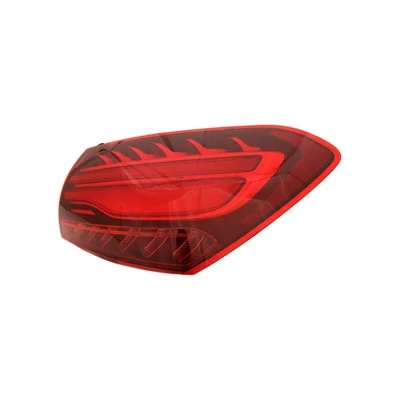
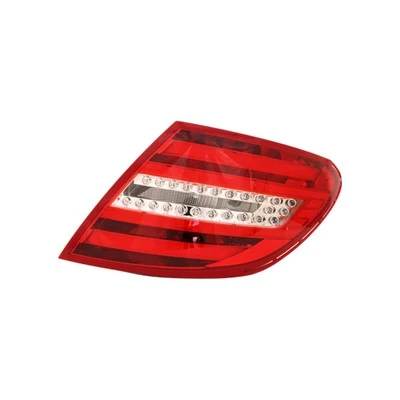
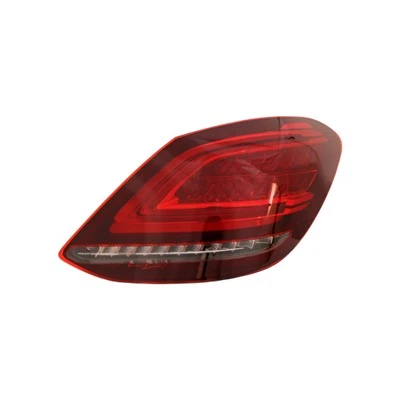
There are specific standards for the brightness of automotive taillights.
When the vehicle is stationary, the taillights must meet the minimum brightness requirement to ensure they are visible to other vehicles and pedestrians.
When the vehicle is running, they must meet the maximum brightness requirement to clearly convey the vehicle's movement.
Simultaneously, the taillight brightness must be appropriate for the ambient light. For example, in low-light conditions at night, the taillights should not be too bright to cause glare, nor too dim to make them difficult to see.
The minimum and maximum brightness requirements vary depending on the type of vehicle, such as passenger cars or commercial vehicles.
Brightness testing requires specialized equipment, such as a luminance meter, and must be measured under standard environmental conditions. The measurement is then compared to the standard requirements to determine compliance.
Testing and certification are generally conducted in laboratories designated by the car manufacturer or relevant certification bodies. Meeting the standards will result in the corresponding certification and mark.
For e-mark certification of electric bicycles, the taillight brightness requirement is at least 10 lumens.