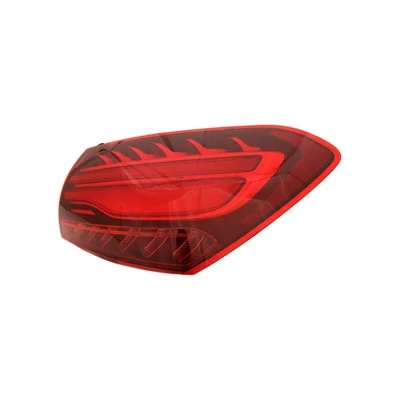
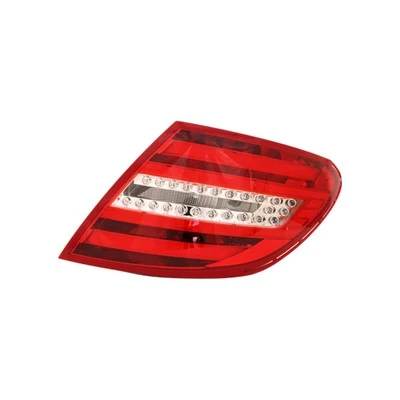
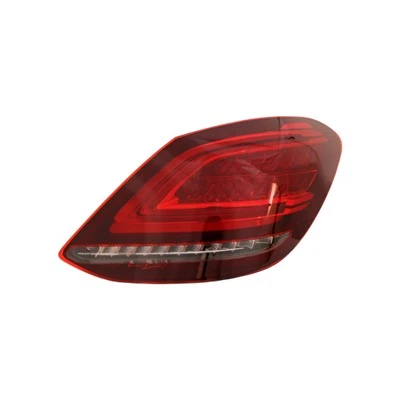
In addition, check the taillights for yellowing or fogging. Yellowing may be due to aging from prolonged use, while fogging could indicate a problem with the taillight's seal, allowing moisture to enter.
Secondly, check the taillights' functionality. Observe the taillights while driving at night. If one taillight is significantly brighter than the other, or flickers or dims, it likely indicates a malfunction. For example, a fault indicator light on the right brake light might indicate a problem with the brake bulb or poor contact. Check for loose bulb connections and reconnect them. If the problem persists, replace the bulb.
Furthermore, carefully inspect the bulbs for blackening or burning. Blackening indicates partial filament damage; while the bulb may still light, brightness and lifespan will be affected. If the bulb is completely burned out, the taillight will not function properly and must be replaced. Different types of bulbs have different lifespans and performance characteristics. For example, while LED bulbs have a long lifespan, it's recommended to check them approximately every 5 years.